




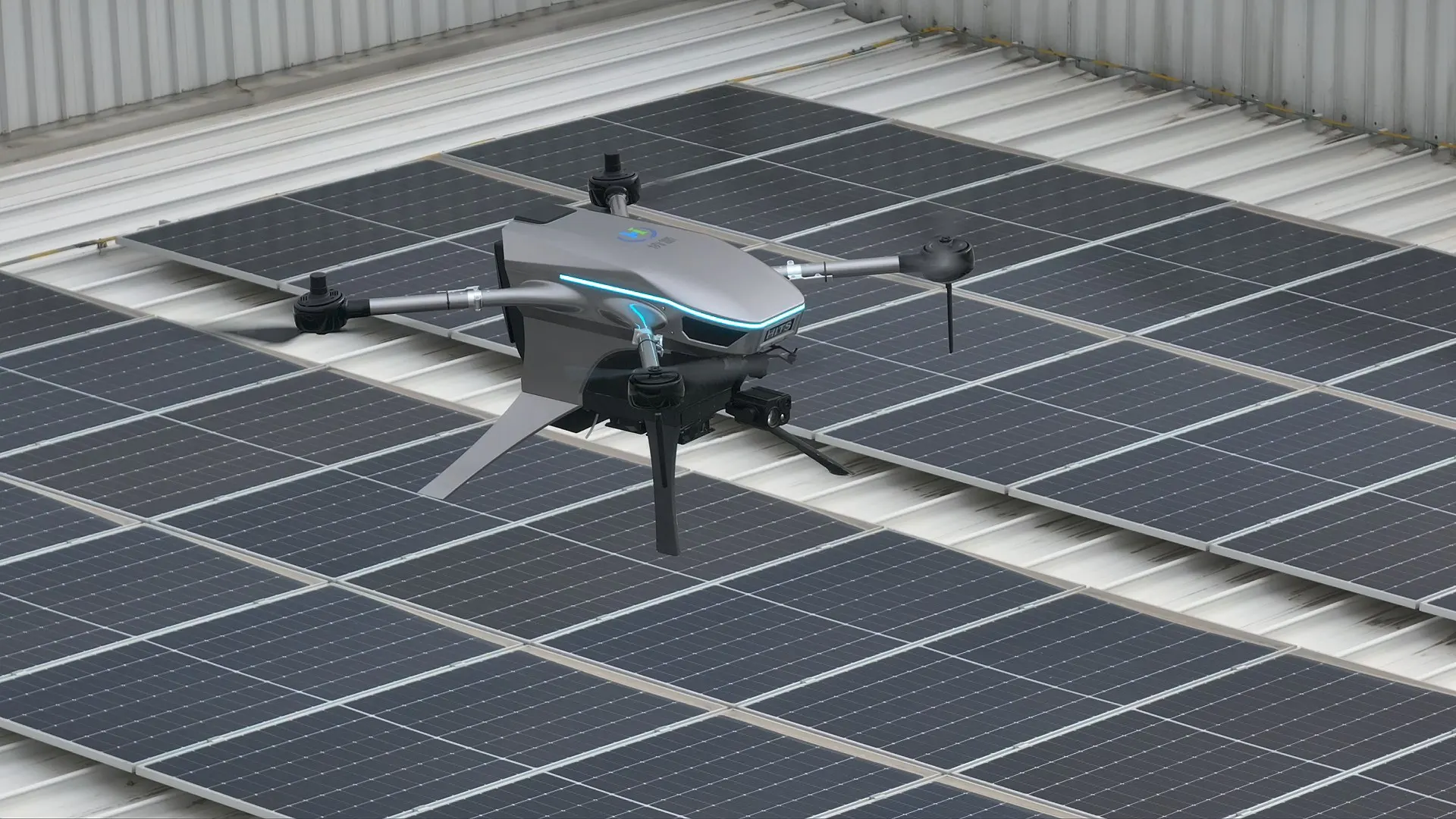
UAV cameras for drones.
Built around
your mission.
Visible-light, thermal and EO/IR payloads for professional UAV systems. HITS brings research, development and manufacturing together to support your next integration. Whether you are specifying a UAV video camera channel, replacing a UAV drone camera head or comparing cameras for drones across suppliers, the published optics, weight and control data make the comparison possible.
- Factory-direct manufacturer
- OEM / ODM programmes
- Dual-use export licensing handled in house
- 27 payload models
- 240 g – 22 kg
TÜV Rheinland and EU CE certified · ISO 9001 / ISO 14001 / ISO 45001 · Shanghai high-tech enterprise and specialised SME
Inside HITS: from optical
alignment to flight.
A short film covering the payload range, the production line and the testing every industrial UAV camera goes through before it ships.
Also available on YouTube ↗
Thermal, infrared and AI tracking,
straight out of the payload.
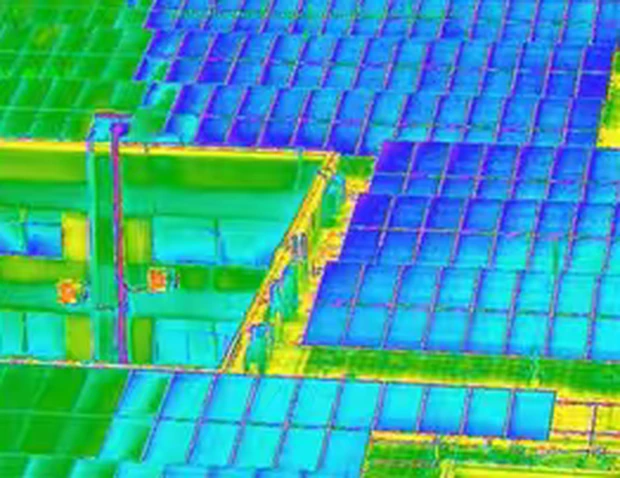
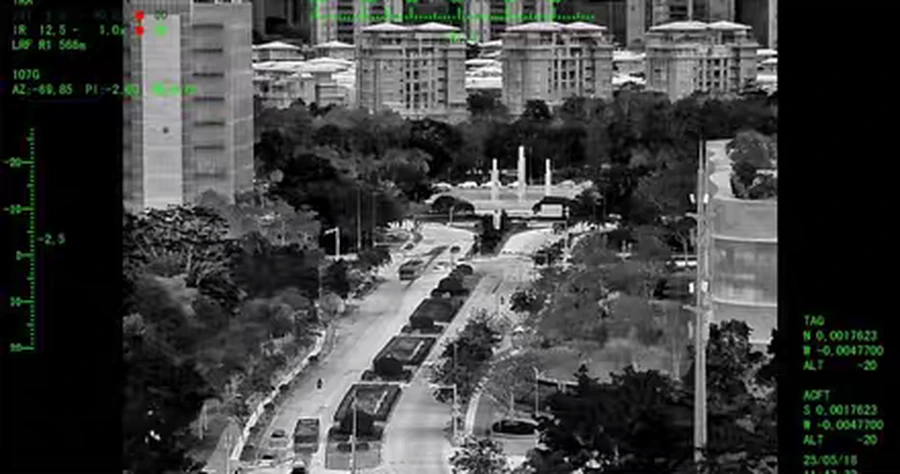
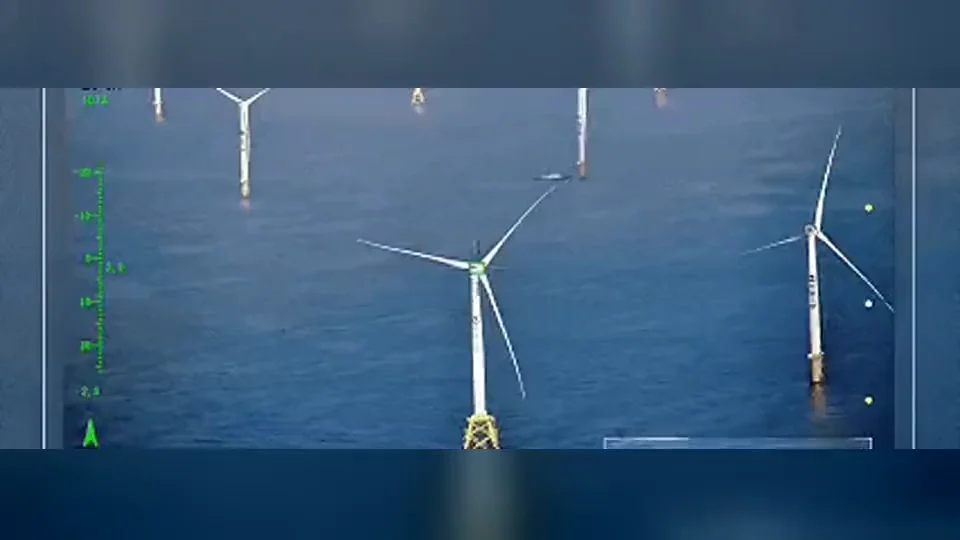
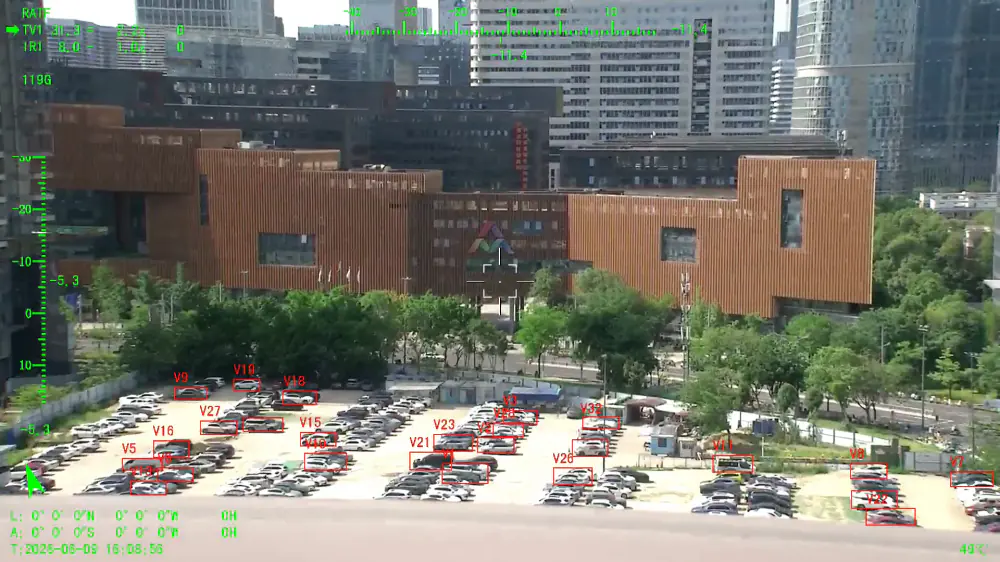
Everything in this band is live output from a HITS payload: a multi-target tracker running on the daylight channel, a target held under lock in the infrared channel, a 640 x 512 thermal channel on an aerial survey, and a long-range night scene with both channels shown side by side.
One street.
Three focal lengths.
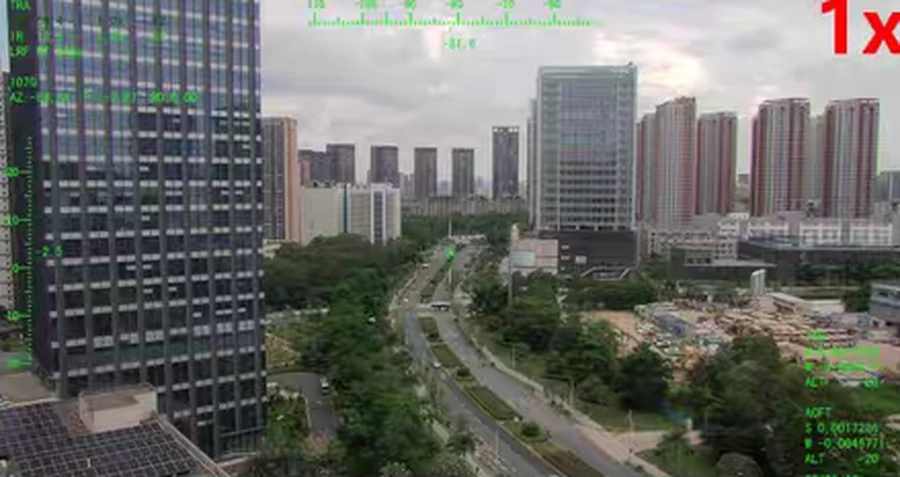
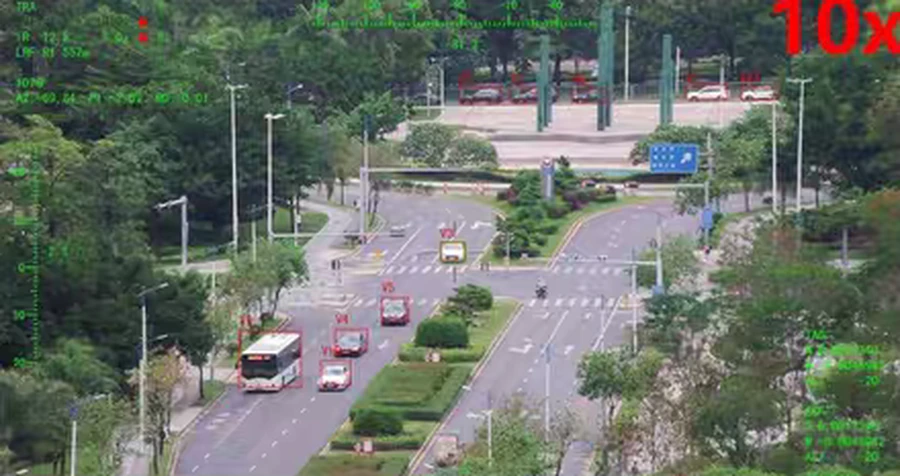
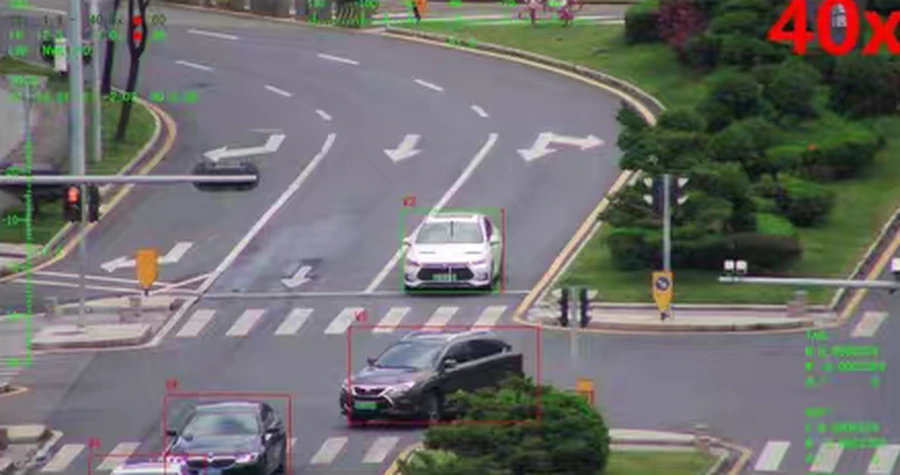
The same scene, recorded from the payload video output at three positions on the zoom range. The wide end finds the scene, the middle frames it, the long end reads it — this is what an operator sees on the ground station, not a simulation.
The right view.
The right configuration.
Choose the imaging approach your mission needs, then align stabilization, weight, power and interfaces with your aircraft. Choosing a camera for drone work starts with weight and stabilisation, not resolution. Distributors list drones cameras by resolution and zoom; the numbers that decide an integration are weight, stabilisation accuracy and control protocol.
EO & Zoom Cameras
Visible-light imaging for daytime observation, detailed inspection and documentation. Compare viewing distance and zoom requirements with your platform limits.
Discuss EO options ↗Thermal Cameras
Thermal imaging options for missions where temperature differences add useful information, including infrastructure inspection and emergency observation.
Discuss thermal options ↗EO/IR Payloads
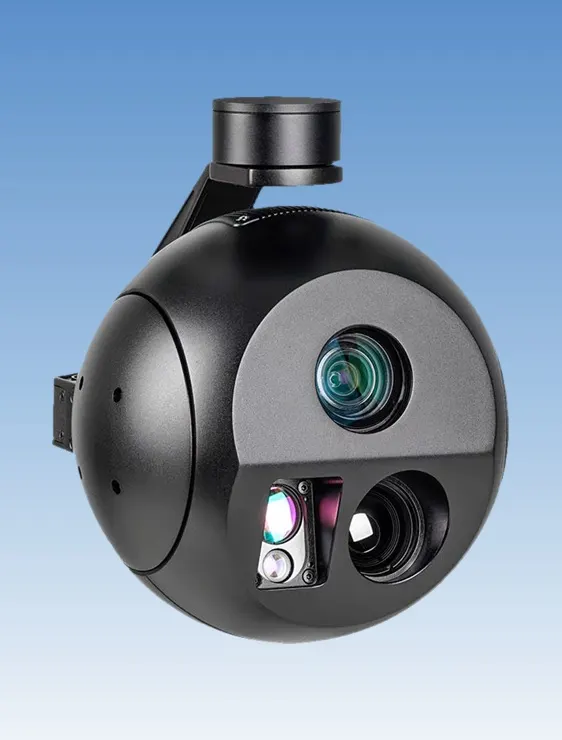
Visible-light and thermal views in one payload. Selected configurations offer laser rangefinding or AI capabilities, subject to the project requirements.
Discuss EO/IR options ↗Real heads, straight off the line.
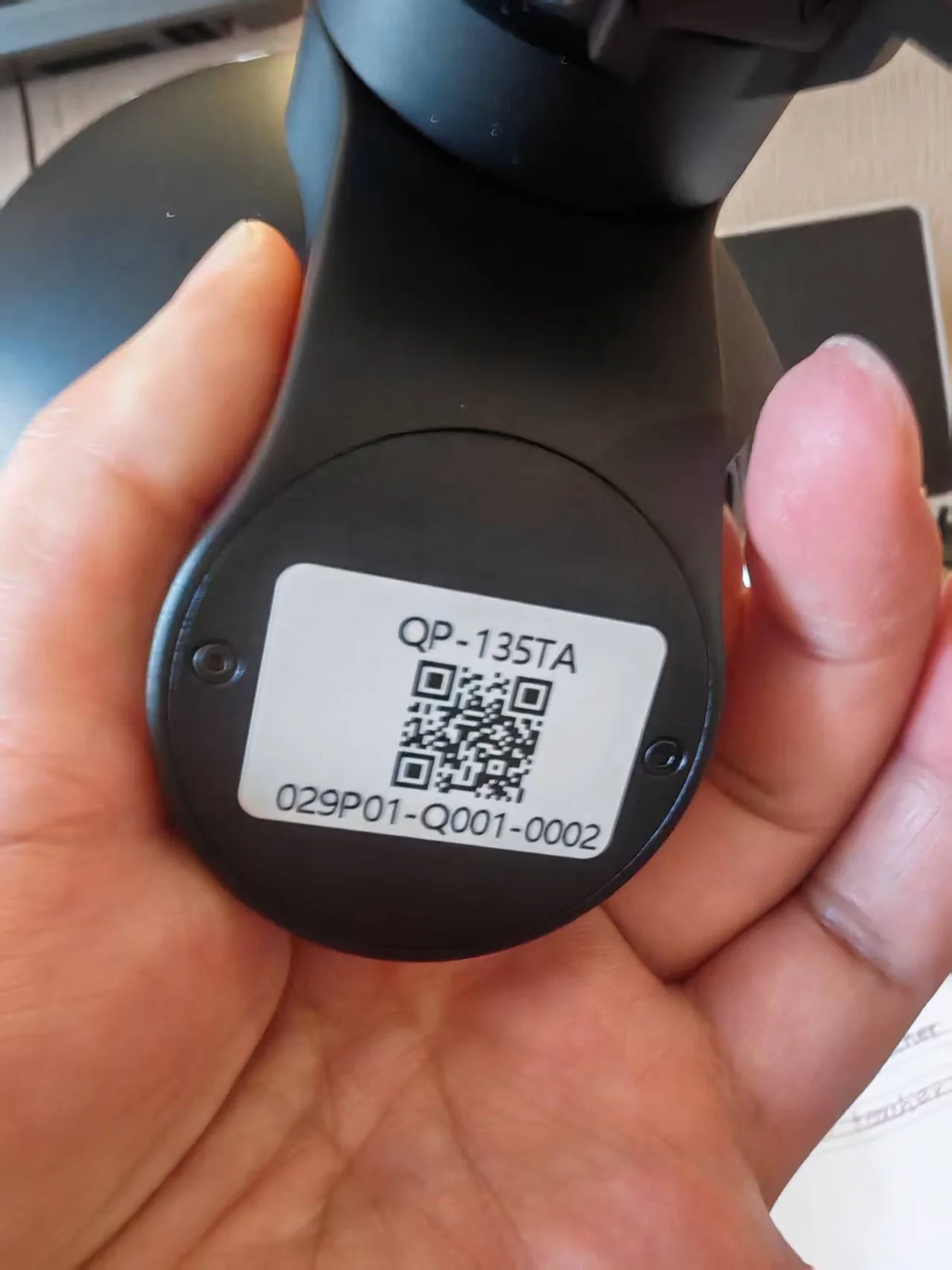
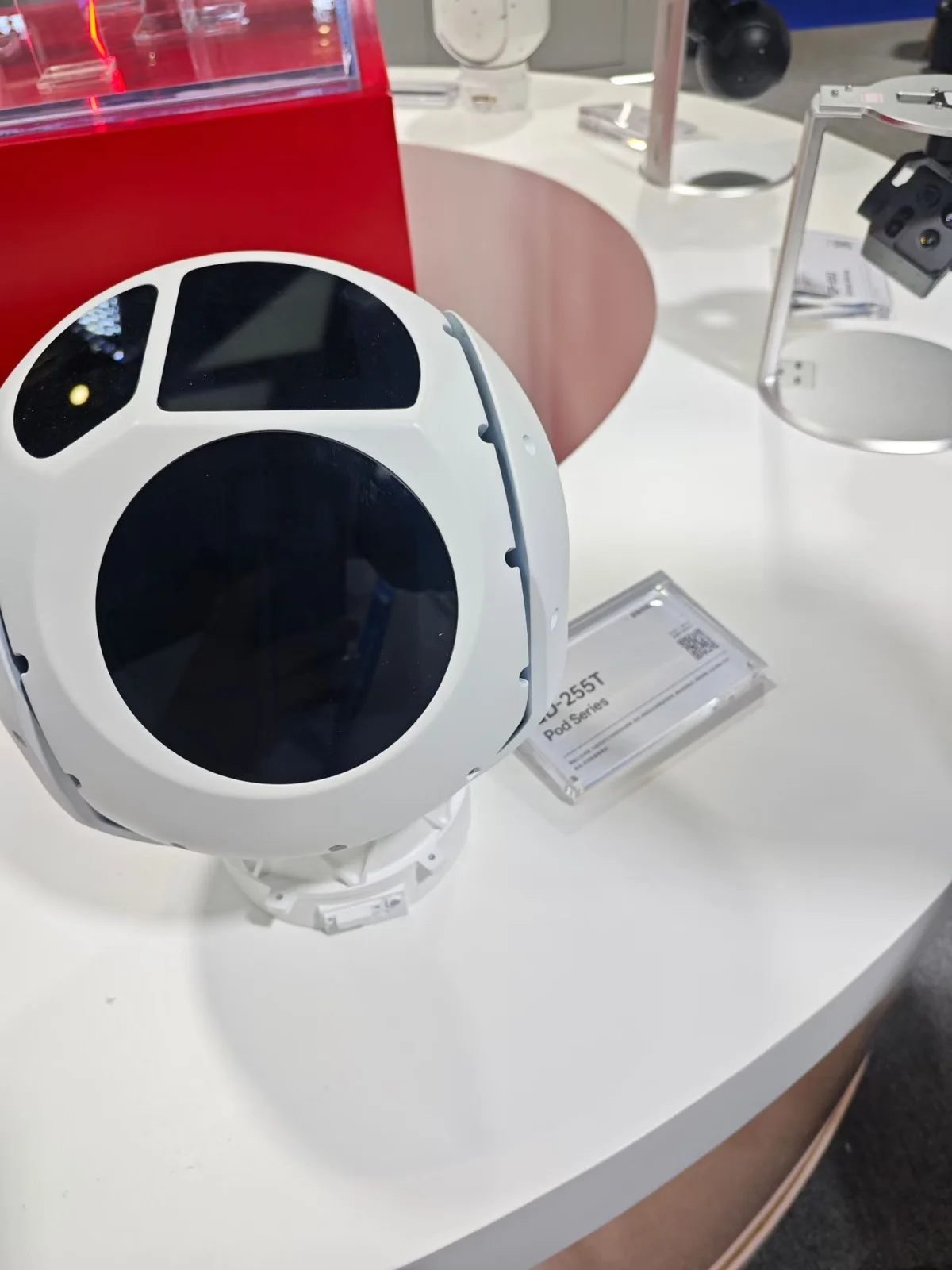
Two-axis and three-axis gimbal camera payloads from 240 g to 22 kg, in EO, thermal, EO/IR and laser rangefinder configurations. See all 27 models ↗
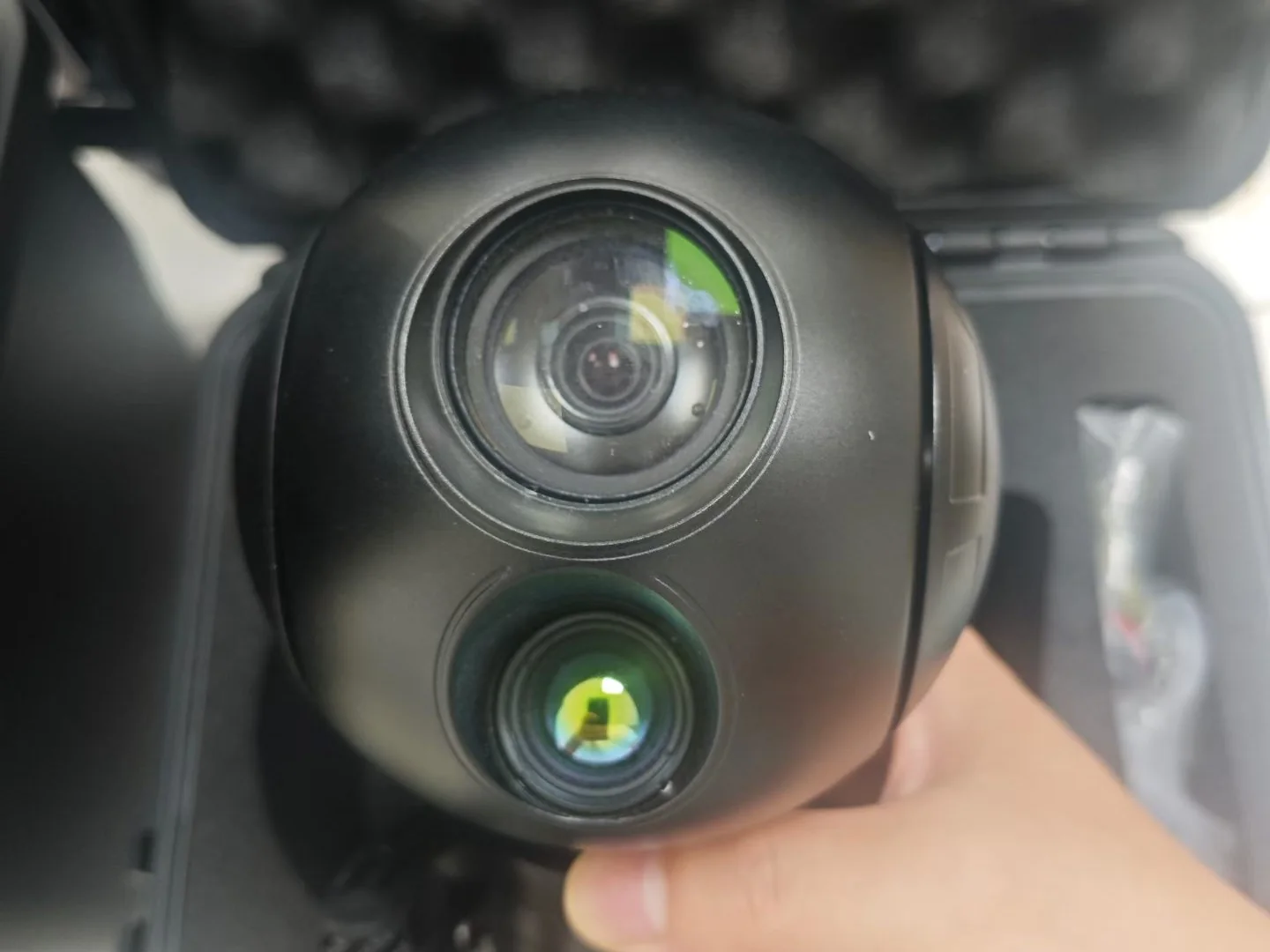
A camera is part
of a complete system.
Usable aerial imagery depends on more than the sensor. Gimbal stabilization, mechanical clearance, power supply and control all influence the final installation. A HITS camera also keeps the same control protocol across the range, so changing the payload does not mean rebuilding the integration.
- Mechanical fit — payload capacity, mounting and balance
- System compatibility — power, control and video output
- Mission performance — viewing distance and sensor combination
See what your
operation needs to know.
Power & Energy
Visual and thermal imaging options for power infrastructure, wind assets and inspection workflows.
Industrial & Mining
Observe facilities, inspect equipment and document activity across complex operating sites.
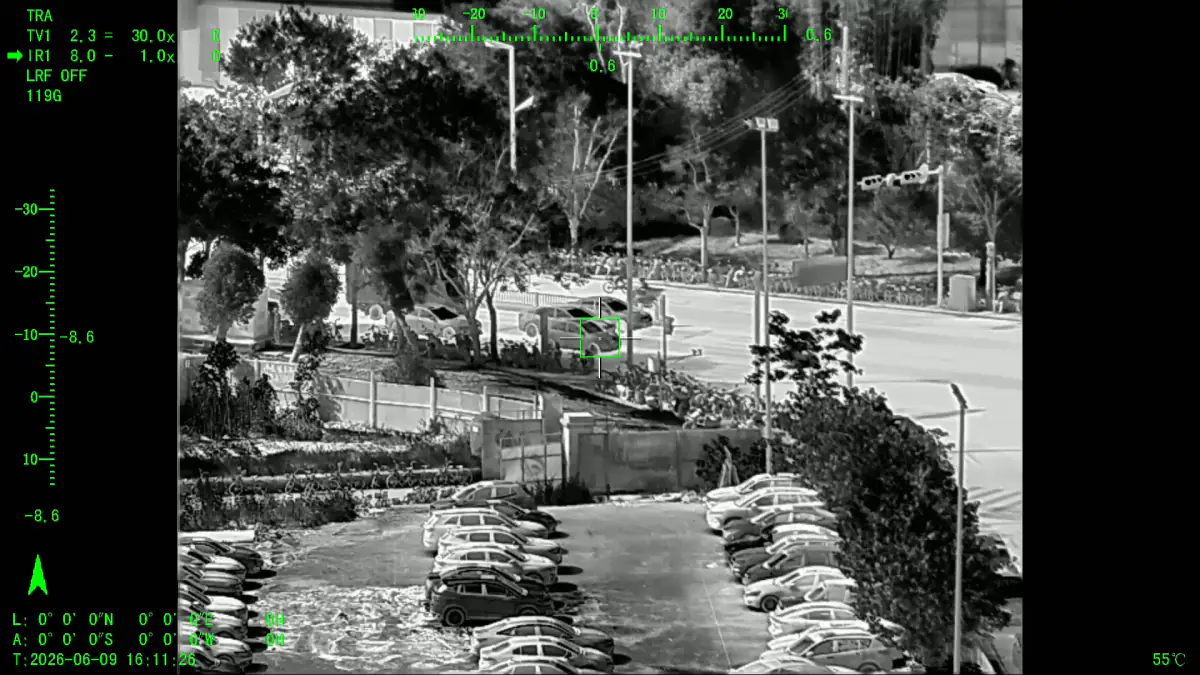
Emergency Response
Provide aerial context as a scene develops, with sensor choices shaped by light and viewing conditions.
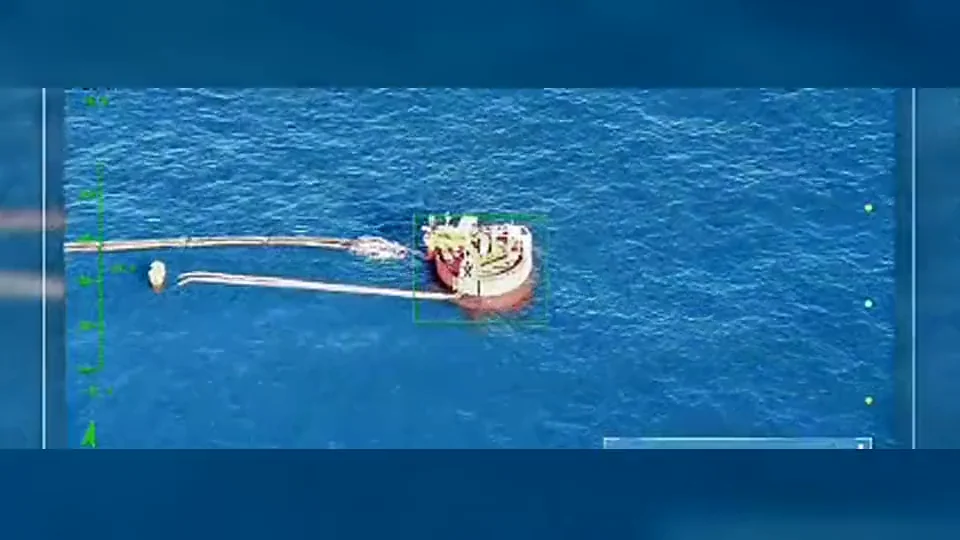
Coastal & Maritime
Review payload configurations for moving subjects, wider viewing distances and changing environments.
Imaging payloads
where the aircraft works.
Our heads are flown on hydrogen and battery platforms in logistics, inspection and survey work. These are aircraft in service with the payload fitted and running.
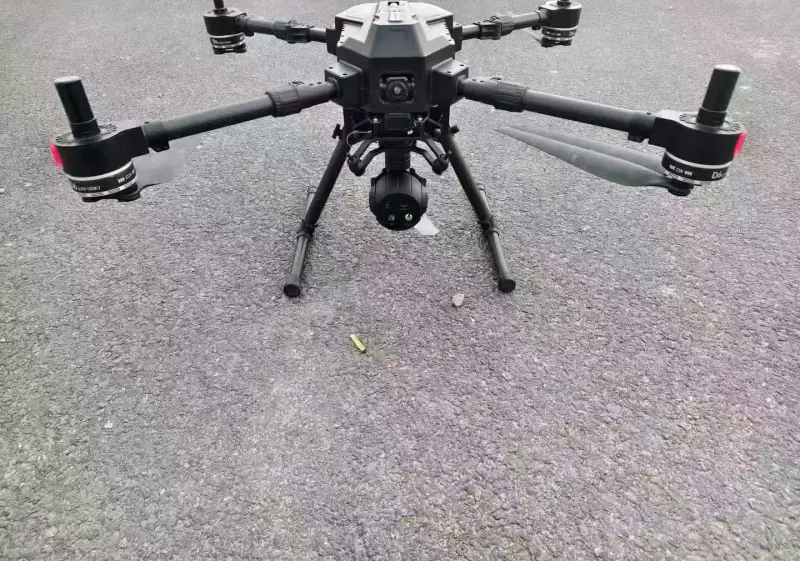
The head is on the aircraft, not in the case
A stabilised payload on a belly mount, the configuration most inspection and patrol work starts from. The imaging channel is live from the moment the aircraft lifts.
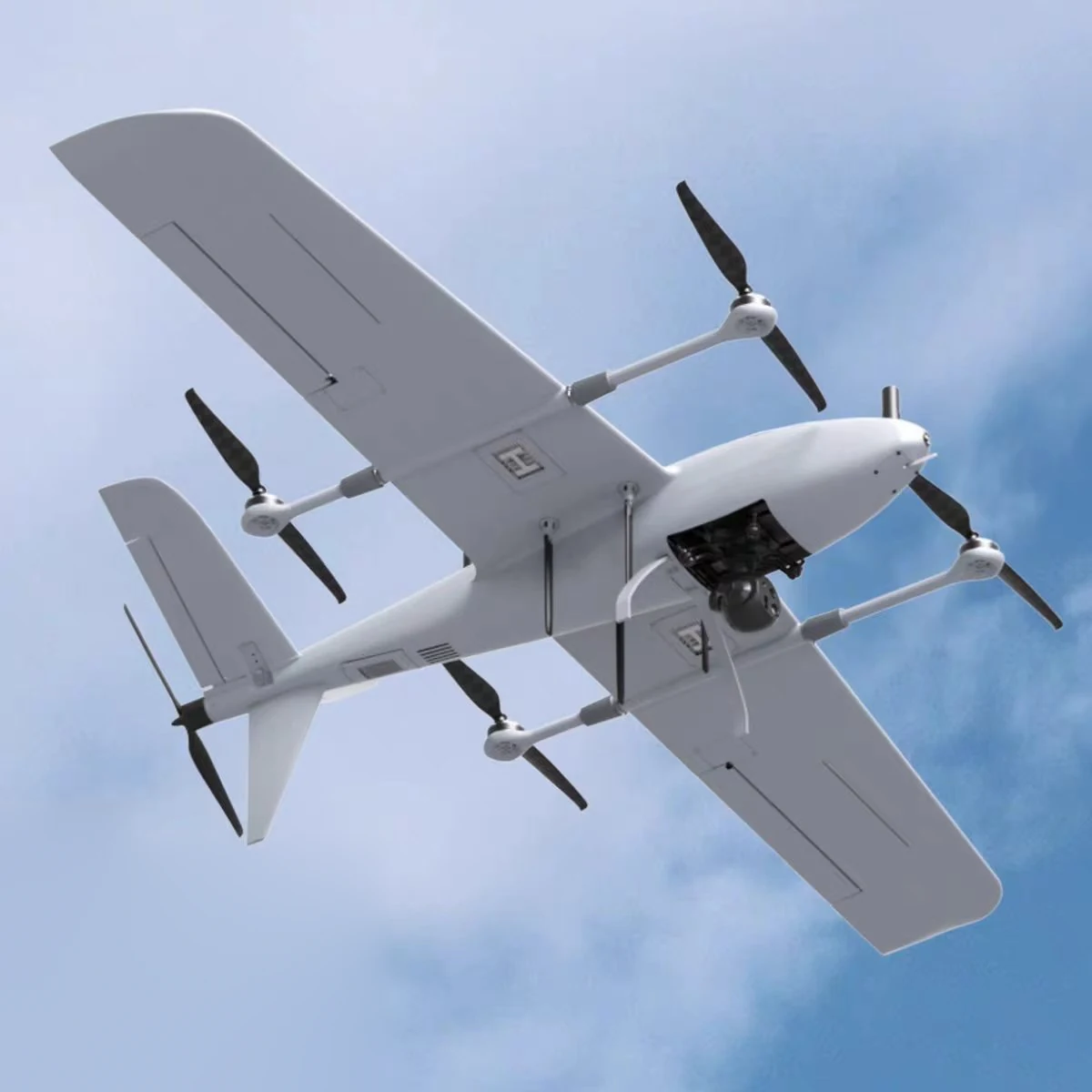
A gimbal head on a long-endurance airframe
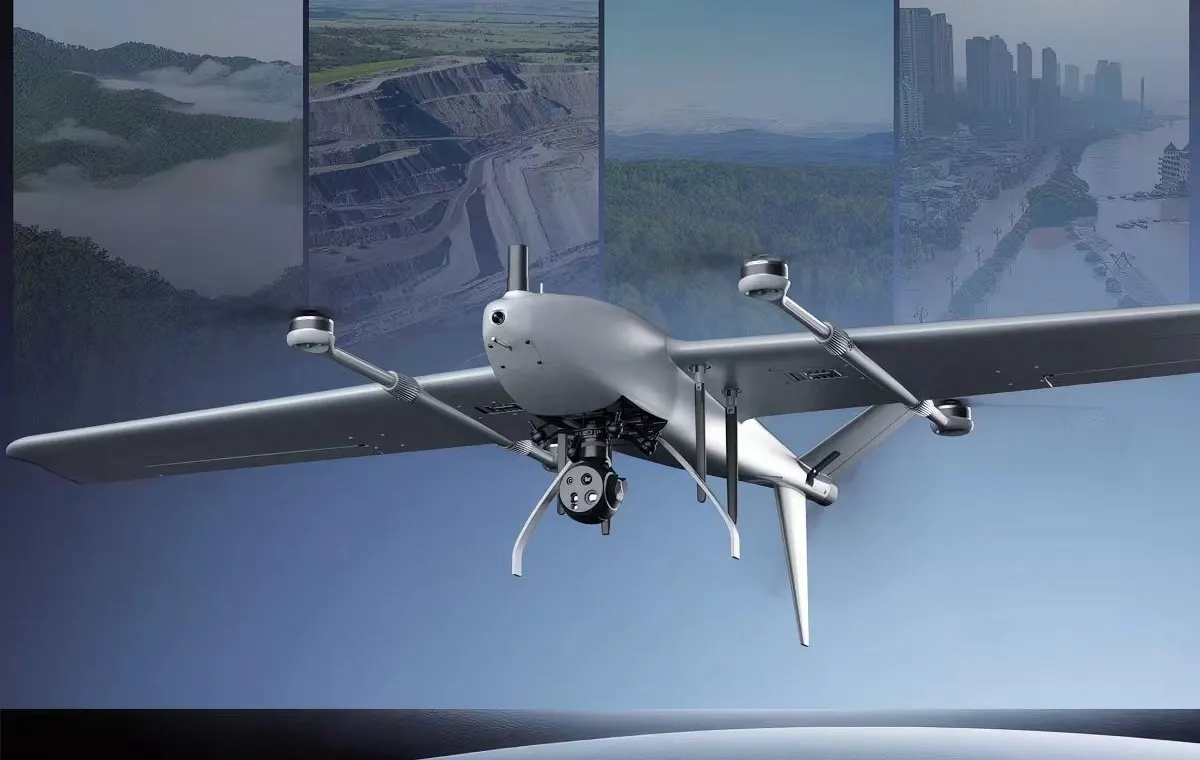
Vertical take-off with the imaging payload carried in a bay under the fuselage, so a head built for hover work flies the same mission on a fixed-wing platform.
Reach for the long missions
A sensor turret on a fixed-wing airframe, where endurance and stand-off distance matter more than hovering.
From a mission brief
to a practical payload choice.
Tell us what matters
Share your aircraft, operating conditions and what the operator needs to see.
Compare configurations
Discuss sensors, gimbal structure and integration requirements with HITS.
Plan your next step
Clarify the configuration, evaluation needs, quantities and procurement schedule. Because the payload is built in house, a UAV camera for sale from HITS is configured to the platform rather than taken from stock, and a camera for UAV integration is discussed directly with the engineers who designed it.
Designed, built and tested
under one roof.
Payloads are developed by our own engineering team and produced on our own line, so a UAV camera for sale from HITS is configured to the aircraft rather than taken from stock.
Engineering that stays in the loop
Optics, servo hardware, stabilisation firmware and the onboard tracking module are developed by our engineers rather than licensed from outside, which is why a 260 g head and a 1.5 kg turret share the same control logic.
Calibrated where it is built
Assembly, optical alignment, stabilisation calibration and burn-in run under one roof. A HITS camera ships with the alignment data recorded for that unit, and the same process is repeated when a payload is serviced later.
Temperature and vibration tested
Each payload is temperature cycled across the full −20 °C to +60 °C range and vibration tested on our own fixtures, so a camera for drones leaving the factory has already seen a real mission profile.
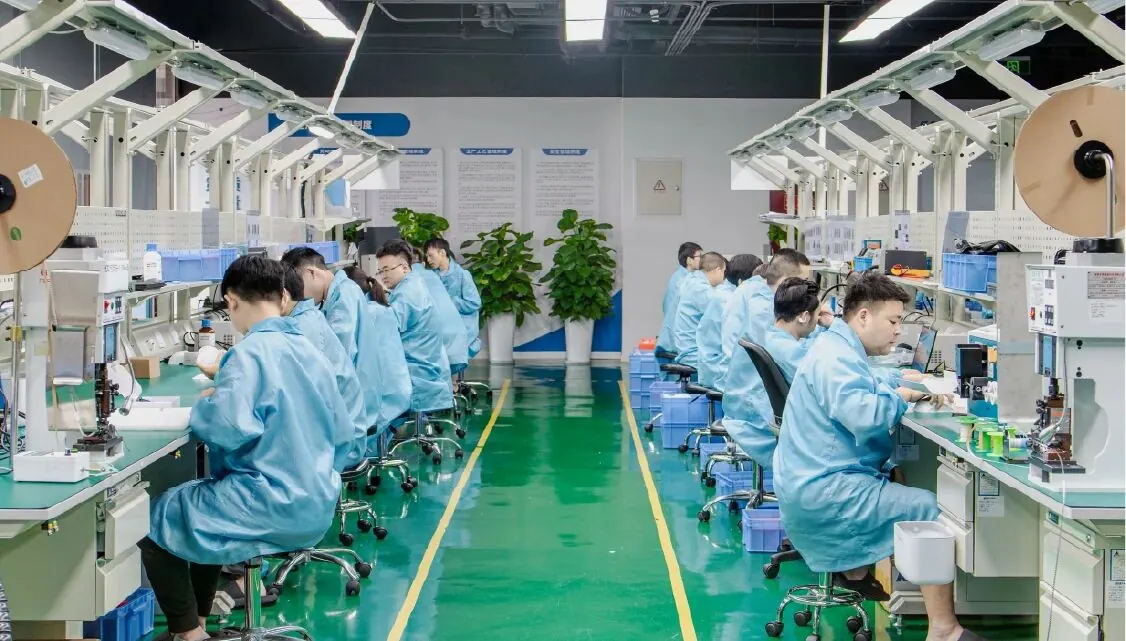
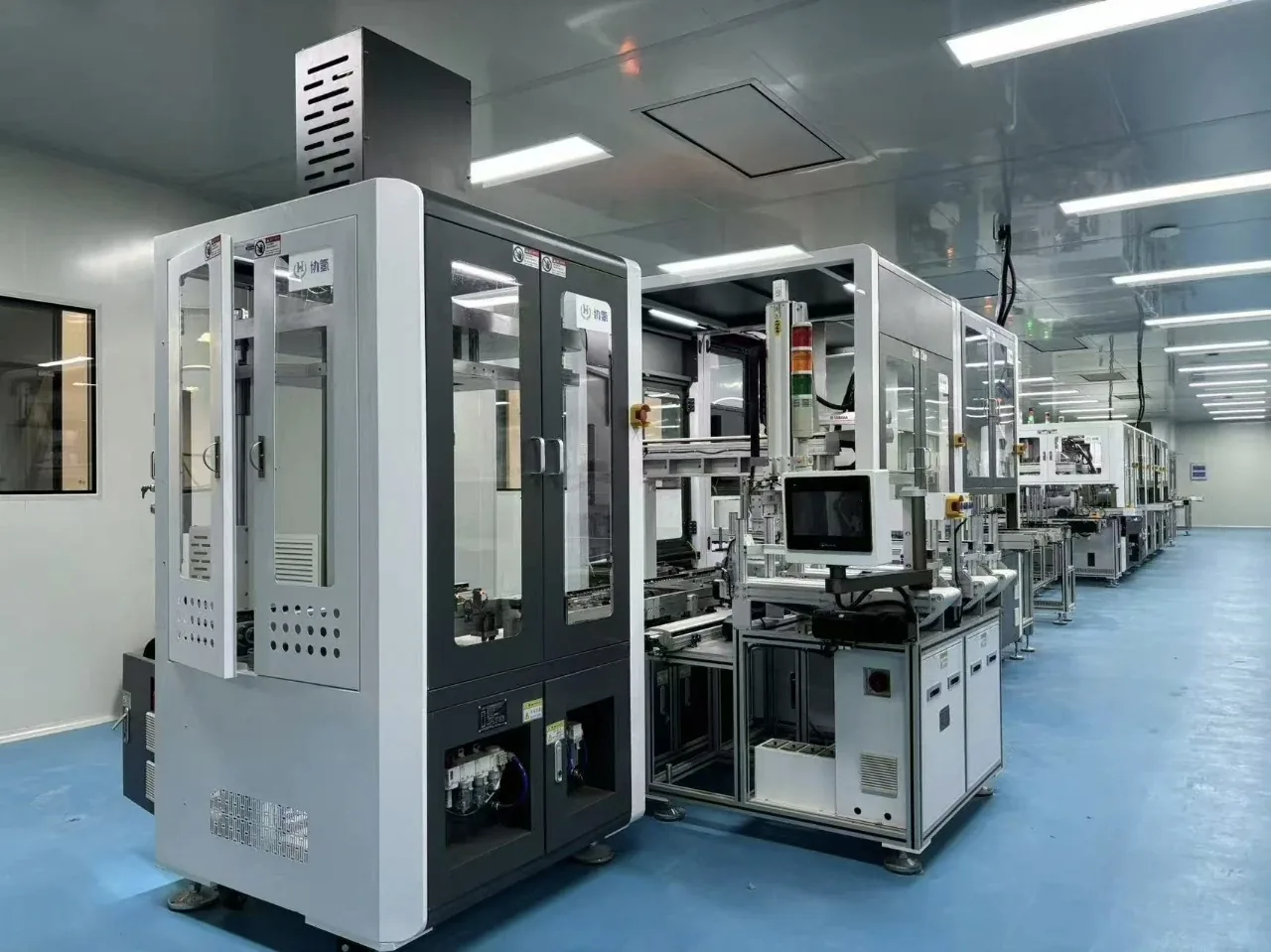

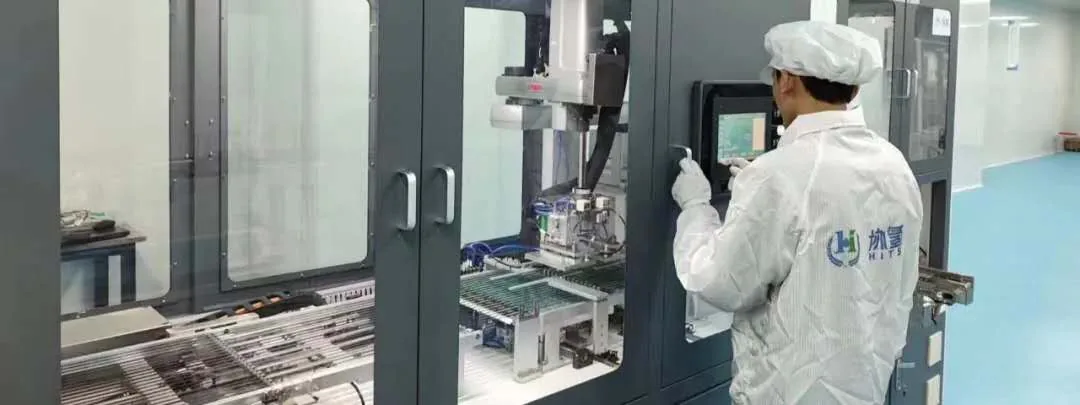
Payload and UAV production
These payloads are built on our own line inside the group UAV production base in Chizhou, where the site is laid out for 10,000 UAV units a year.
Two in-house R&D centres
Optics, servo hardware and stabilisation work in Shanghai; flight control and gimbal integration in Shenzhen. The engineers who design the payload are the engineers who test it.
Group component plants
Air-cooled fuel cell production in Zaozhuang and carbon paper production in Zhangjiagang sit inside the same engineering group, so the supply chain behind a payload is ours.
Your brand on the front,
our factory behind it.
We build for other manufacturers as well as for direct customers. Three routes cover most programmes, and all of them run on the same line, with the same calibration and the same inspection record.
Built and badged as yours
Send the specification and we produce on our own line under your brand: your enclosure graphics, your model naming and your firmware identity, with a calibration and inspection record kept for every unit.
Developed with your engineers
Start from the mission rather than a catalogue. Optics, stabilisation, control protocol and the onboard tracking module are worked through with your team and handed over as a payload you can integrate and support.
Specified before tooling
Focal length, sensor mix, laser rangefinder or designator, mounting pattern, control interface and firmware behaviour are fixed at the specification stage, not after the first batch.
What we need from you
- Platform — aircraft type, payload weight limit, mounting space and available power
- Mission — what has to be seen, at what distance, and in what conditions
- Interface — the control protocol, video output and connector you already use
- Commercial — target unit cost, expected volume and the date the first batch is needed
What you get back
- A specification and drawing pack before anything is cut
- A sample unit for bench and flight evaluation
- A per-unit alignment and inspection record filed against the serial number
- Production batches scheduled against your programme, with the export documentation alongside
Cameras for drones,
grouped by what they do.
Five families cover most integration briefs. Start from the table, then compare the published weight, stabilisation and control data for the shortlist.
| Family | Typical weight | Best for | Range |
|---|---|---|---|
| 3-axis gimbal cameras | 400 g – 1.5 kg | Continuous observation with roll stabilisation, continuous zoom and optional thermal or laser channels | 11 stabilised heads ↗ |
| 2-axis gimbal cameras | 240 g – 500 g | Small airframes that need stabilised pitch and yaw without the weight of a third axis | Lightweight heads ↗ |
| EO/IR pods | 1.6 kg – 10 kg | Long-range day and night surveillance with 30x to 55x zoom and laser ranging | Pod systems ↗ |
| Thermal and IR payloads | 240 g – 1.5 kg | Heat-based detection where visible light stops being useful, boresighted to a visible channel | Thermal range ↗ |
| Laser designator pods | Turret mounted | Targeting work that needs 1064 nm designation as well as imaging | Designation pods ↗ |
A camera for drone projects usually starts with the lightest payload that meets the sensing requirement, because every gram taken off the head returns flight time or a larger battery. Where two families fit, the deciding factor is normally the stabilisation needed at the longest focal length — not the resolution of the sensor. The full range is listed under cameras and payloads.
From protocol document
to first flight.
Every payload ships with the control protocol, the video pipeline description and the mounting drawing, so an integrator can start work on the bench before the airframe is ready. Because the same protocol runs across the range, a test fit with one head carries over to the next.
Support continues after delivery: firmware updates for tracking and stabilisation, replacement gimbal modules, and a direct line to the engineers who designed the payload. That is the difference between ordering a camera for drone work and integrating a payload into a programme.
- Interfaces — Ethernet video, RS-422 / RS-232 / TTL control, SBUS and MAVLink
- Recorded data — on-board recording, with georeferenced laser ranging where fitted
- OEM and ODM — mounting, optics, branding and control board changes
- In service — firmware updates, spare gimbal modules and alignment service
Payloads that ship
on a compliant route.
Aerial imaging payloads sit inside the dual-use category. Since 2024 the PRC requires an export licence for UAV equipment and components, and a shipment that is not documented correctly stops at the border.
- We hold the licenceDual-use export licensing is handled by our own compliance team rather than left to a third party, so the consignment is exported under our licence and cleared directly.
- Classification agreed up frontProduct classification, customs coding and the documentation pack are confirmed with the quotation, not invented after the order.
- End-user documentationEnd-user and end-use statements are reviewed before an order is confirmed, so the paperwork matches what is actually being shipped.
- Route and clearance plannedWe agree the clearance point and route with your forwarder, and re-file if a configuration changes before dispatch.
Questions that come up
at project stage.
Short answers to the points buyers and integrators raise before a payload is selected. Integration detail is usually settled directly with the engineering team.
Can a camera for UAV integration be adapted outside the catalogue?
Yes. Because optics, servo hardware and firmware are developed in house, the mechanical interface, focal length, video output and control protocol can be adjusted to the aircraft. OEM and ODM projects normally start from an existing head and change the mounting, the optics or the control board.
How do I compare two cameras for drones fairly?
Compare the same five numbers: weight, stabilisation accuracy, optical zoom range, power draw and control protocol. Resolution alone rarely decides whether imagery is usable, and a lighter head often improves the mission more than an extra sensor channel.
Are evaluation units available before a production order?
Yes. A single unit is normally supplied for bench testing and flight trials, together with the protocol document and video pipeline notes so integrators can start immediately. Lead time for evaluation units is shorter than for production batches.
Which interfaces does a HITS payload use?
Ethernet video with RS-422, RS-232 or TTL control, plus support for SBUS and MAVLink on the aircraft side. On-board recording and a published control protocol mean the UAV video camera channel and the flight controller can be integrated without reverse engineering.
Do you work with distributors and system integrators?
We do. Distributors list drones cameras with published specifications, and integrators receive the interface documents, alignment data and spare parts support needed to keep payloads in service. Multi-unit projects are quoted around quantities and delivery schedule.
What is the lead time for a UAV drone camera payload?
Heads held in stock ship from inventory, so the lead time is transit rather than a production slot. Custom configurations — different optics, a changed sensor mix, your own branding or firmware — are scheduled once the optical work and the quantity are fixed, with the evaluation unit ahead of the production batch.
What are the payment and warranty terms?
Payment is by T/T (bank transfer), with the schedule stated on the quotation. Warranty is one year from delivery, with support from our own engineers online, and alignment and inspection records filed against the unit serial number.
Bring your platform. Let’s define the payload.
Share your mission, aircraft constraints and imaging requirements.